
All Ireland Golf Vacation
Ballybunion, Lahinch, Portmarnock, Waterville, Old Head, Tralee, European Club, and 'the Island'

The Character
This is a point to point tour looping around southern Ireland from Dublin and Portmarnock in the east, to Waterville in the deep south west.
This is a medium/ high mileage tour and relatively medium intensity, although we’ll also have extended periods driving on lower density roads in the rural west
The Faraway Fairways, All Ireland Golf Vacation looks to assemble the big beasts of the Republic (as distinct from the North) and observes a loop beginning in Dublin, and skirting around the south for Old Head and Waterville, before working our way back up the west coast for a grand crescendo that includes Ballybunion and Lahinch. Finally we head back east to the capital and Portmarnock
The All Ireland Golf Vacation can support Luxury, Premier and Affordable options, although the luxury options could involve stretching a little bit as we have stay a little bit further away from our area of focus to achieve it
Like any classical symphony the all Ireland Golf Vacation captures the moods and rhythm of this land of verse as it maintains an impressive presto tempo and invites you to score your very own magnum-opus
The first land mass facing the westerly Atlantic ,the Irish coastline with characteristic high-dune systems, was designed for golf, an emerald jewel dropped into a raging ocean.
Itinerary
For good reason this course ranks # 78 in the top 100 ‘Architects Choice’.
The Island Golf Club enjoys a unique setting bordered by sea on 3 sides. A classic links course set in a rugged terrain & nestled between the highest sand dunes along the east coast. The Island was indeed once on an island. It’s now attached to the mainland but it’s still an isolated peninsula-like spur of links land, sandwiched between the Irish Sea, the beach of Donabate and the Broadmeadow estuary.
Few people know about The Island Golf Club, despite the fact that the course is over 100 years old and has featured in numerous ranking tables over the years. Being on the outskirts of Dublin and close to the airport it’s also a very functional choice to include
Occasionally ranks on World top-100 lists
The European Club is located in tumbling dunes south of Dublin and features sweeping sea views.
This is a complex but enjoyable examination for every golfer provided they use their brains. Those who learn how to flight the ball on a medium or low trajectory will enjoy the fast running fairways and the fact that provision has been made for the punched or running shot to fifteen of the greens. The shorter hitting ‘thinker’ can find a way to stay in the race against the big ball bruisers.
The course also features the longest green in the world at twelve, which measures 127-yards from front to back and restores the art of the great three-putt. Five holes run so close to the sea that it is quite common to find players searching for their golf balls on the beach.
In 2026 the European Club underwent a major renovation and reopened in the spring of 2027
Old Head Golf Links is built on a 220-acre diamond of land jutting out over two miles into the Atlantic Ocean. The promontory is almost an island with numerous caves running beneath your feet as you play the course.
It is a piece of golf real estate like no other, that causes many a golfer to pinch themselves as they drive with the crashing waves of the Atlantic Ocean some 300 feet below on both sides, with a vista framed by the iconic lighthouse that stands guard on the tip of the headland. The course is set up on a daily basis depending on the prevailing weather conditions.
It undoubtedly possesses nine stunning cliff-top holes, and these will be the ones that leave the impression on you. It’s the ‘other nine’ that seemingly prevents it from making the top-100 lists, but it nearly always makes an indelible impression on visiting overseas golfers who are invariably wowed by its spectacle and drama
Occasionally ranks on World top-100 lists
The earliest records of a formal golf course existing at Waterville dates to 1889, (Scottish workers laying Atlantic cables) but it was only in the 1970’s that it really began to reach its potential. Under the vision of “Jack” Mulcahy, a collaboration between Eddie Hackett, and Claude Harmon was forged to build the most testing golf links in the world.
The terrain was ideal, a peninsula of pristine links land jutting into an estuary on an arching sandy beach. Their new creation opened in 1973 to wide acclaim. The next step came with the four year ‘Fazio project’. This set out to harmonise the topography, particularly the less arresting inland sections, while enhancing the challenge and beauty.
Waterville continues to go from strength to strength as more people discover it. The late Payne Stewart in particular fell in love with it and has a statue on the course in his honour
On being asked to make the dream come true for Tralee, Arnold Palmer observed “I have never come across a piece of land more ideally suited for building a golf course”.
The front nine plays across slightly folding, flatish, links land that hugs the coast and makes more use of the raised shoreline. In essence its closer to the traditional links experience.
The back nine by contrast plays through mountainous dunes with fearsome carries across ravines to plateau greens. It’s an altogether much more crazy experience and probably more fun for the challenges it keeps throwing at you.
The sheer variety of holes will keep you honest from the first all the way round. The par 3 third is probably the highlight, similar in challenge to Pebble Beach’s fabled 7th.
World Top-25 ranked
Located on the north west coast of County Kerry, on the Atlantic coast of south west of Ireland, Ballybunion is usually regarded as the best links in the Republic, and typically ranks in the world’s top 20.
Beautifully contoured fairways that tumble through a blanket of grassy dunes lead you on a journey of rarely equalled bliss. The secret to Ballybunion seems to lie in accepting that nature has already done the design work, and all that was required were finishing touches.
It was probably Tom Watson’s eulogy from 1982 that made people really sit up though and begin to realise just what the Irish had at Ballybunion. “Nobody can call himself a golfer until he has played at Ballybunion; you would think the game originated there!”
World Top-50 ranked
The DNA of Old Tom Morris (1894), Dr Alistair Mackenzie (1927) and more recently Martin Hawtree (1999) runs through the design of Lahinch.
The course has a bit from each of them. Lahinch is rugged and hugely entertaining facing out onto the exposed Atlantic coast. The traditional out and back nine are located adjacent to the beach after MacKenzie had moved holes nearer to the shoreline. Perhaps the pick is the fifth, an eccentric relic from the Morris era that has survived. A blind par 3, played to a narrow hidden green surrounded by towering sandhills. Good luck!
It was perhaps only when Hawtree had finished restoring many of MacKenzie’s tricky green complexes that the course really moved onto the top tier though, where it has remained ever since, widely recognised as Ireland’s second best course behind Ballybunion and holding a good world ranking between 25 and 50.
In 2019 it hosted the Irish Open, won by Jon Rahm
World top-75 ranked
With a rich history closely aligned to the progression of golf in Ireland, Portmarnock has hosted numerous Irish Open Championships, the Walker Cup, Irish Amateur Championships and the British Amateur Championship, and the rumour that it’s being lined up as the next course to be introduced to the Open rotation doesn’t look like dying down (we think this one has legs)
From Sam Snead to Seve Ballesteros, some of golf’s best-known names have tested their skills against this majestic narrow tongue of shallow dunes-land, just north of Dublin.
Considered by many as one of the fairest links courses in the world it delivers an incredible challenge and true test of golf.
Perhaps five-time Open Championship winner Tom Watson summed up the links best during his visits saying, “There are no tricks or nasty surprises, only an honest, albeit searching test of shot making skills.”
Testimonial
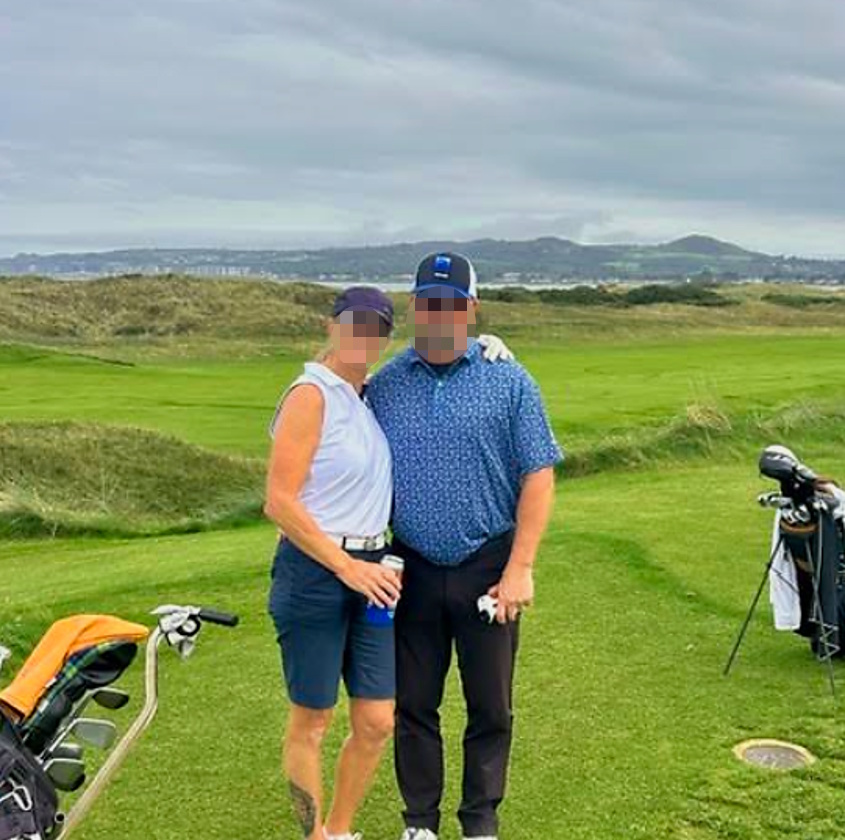
From LW from Canada
“Trusting someone to create a 30 day itinerary was scary, and after talking with several well-known companies, we started getting frustrated as none of them seemed to be able to put together quite what we wanted. Then we called Faraway Fairways and everything seemed to click. We loved every aspect of our trip, and we owe it all to Alun and his meticulous planning and personal attention. ”
From TM Georgia
“My family had a wonderful experience in large part because your team selected such meaningful balance of historical, cultural, and golf experiences. I can’t thank you enough for this terrific experience.”

From BB Canada
“I told Alun the courses I was interested in playing and he prepared a stay and play package with 14 days of outstanding golf, but also tremendous site seeing opportunities for my wife.”

From JC Illinois
“His attention to detail is amazing--I think our travel plan booklet ran to forty-eight pages, with gorgeous descriptions of cities and sights, plus maps showing where to go to catch trains, or walk from trains to hotels, sights and golf courses, etc.”
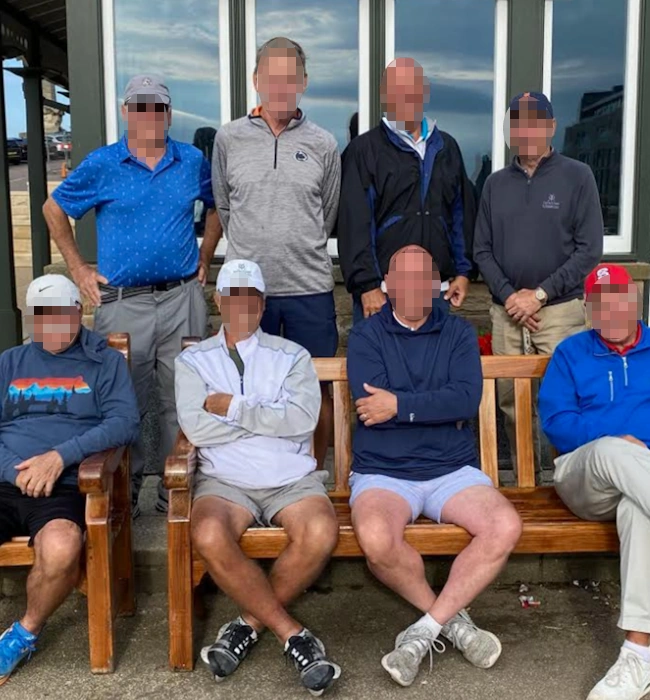
From DF Alabama & Pennsylvania
“I will cherish the memories for a long time- especially the wonderful times spent on and off the golf course with two of my brothers and brother-in-law. None of the memories and golf would have been possible or enjoyed without your tremendous planning and logistical support.”
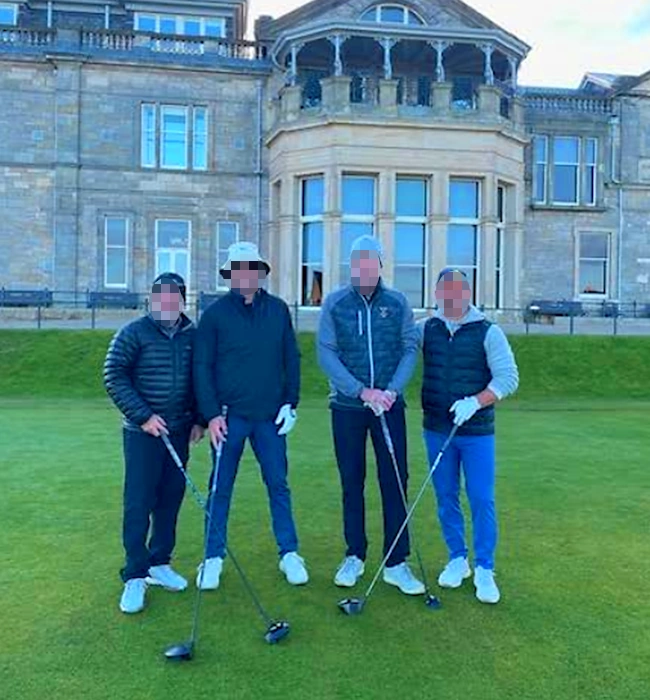
AS from Colorado
“Alun and Faraway Fairways created possibly the most memorable golf trip we have ever experienced. EPIC is the only word that comes to mind.”

AC, From Florida/ New York, 2025
“We were hopeful to secure a 4 ball at St. Andrews while avoiding the massive expense other operators had quoted. He was very clear about the plan for achieving a tee time at the Old Course through the ballot, including detailed instruction on how it could be done, and what our odds were. He suggested mid- to late April as the best chance of success and advised that this is also the least rainy part of the year. We took his advice and trusted the process. Well, he was right on all counts!”

From SB, Minnesota
“We wholeheartedly recommend Alun and Faraway Fairways if you’re looking for a golf trip that is effortless, enjoyable, and truly unforgettable—even for a non-golfer in the mix! My husband and I will be daydreaming about this trip for years to come. 5.5 stars!”

From JB, California
“The best part was that the service was surprisingly affordable. They were thousands of dollars below other quotes that I received, in fact the prices were very similar to what I would have paid if I would have booked everything on my own.”
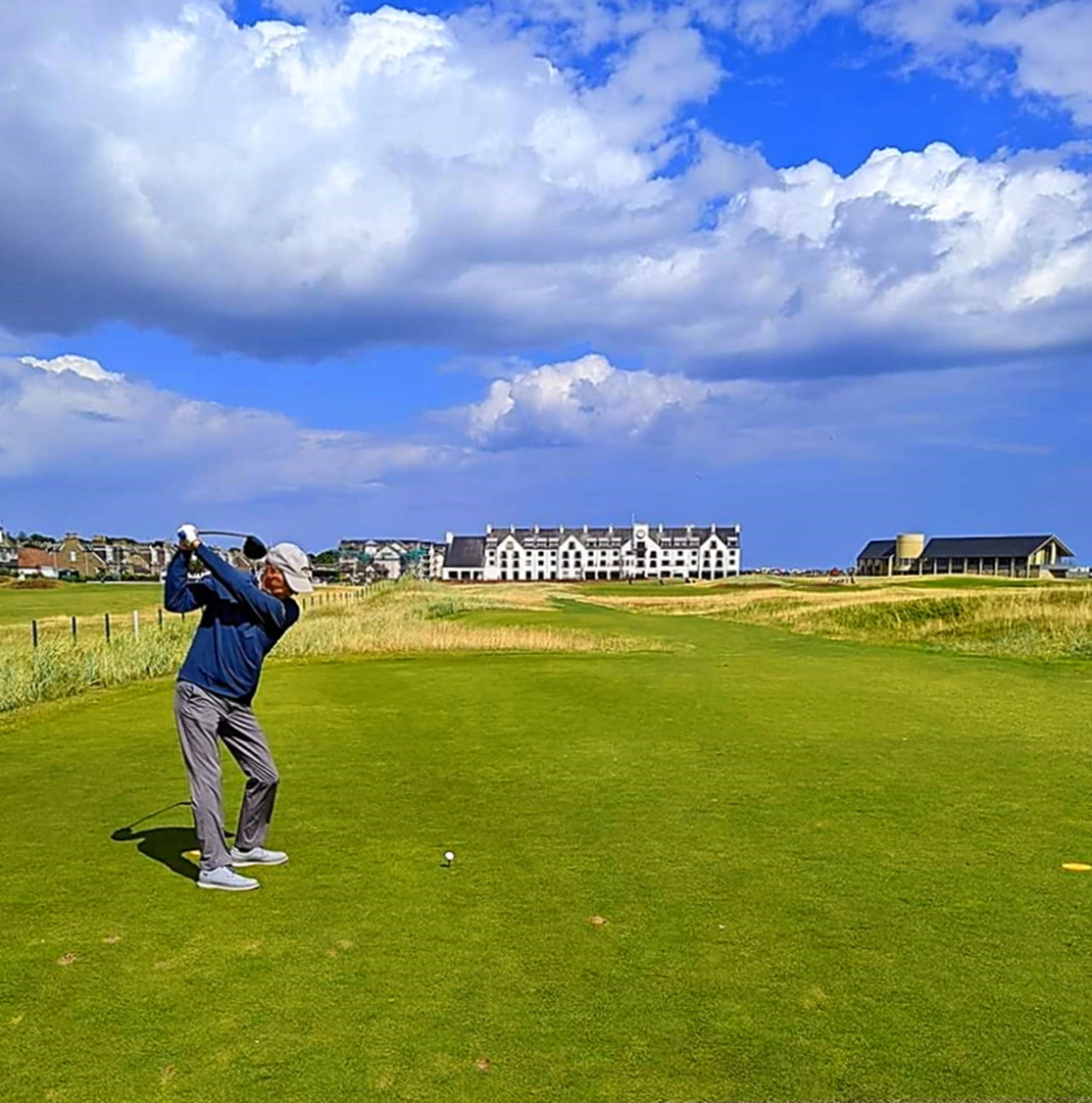
From JCA, Maryland
“I would and will highly recommend your company to anyone looking to plan an unforgettable golf trip. Thank You for putting together a fantastic trip for J.C. and me”

From WF Connecticut
“I think all eight of us would agree that Alun at Faraway Fairways did an absolutely wonderful job of putting this “golf vacation of a lifetime” together for us. His focus on the details was extraordinary from the choice of courses and the timing of the tee times, the amazingly beautiful accommodations along with some excellent meal selections, and the transportation options he provided to get us from place to place.”

From DR South Carolina
“You are about to tee it up in your Major. Seek wisdom, integrity and professionalism. Alun Davies and Faraway Fairways will not disappoint you. They cannot assure a calm sunny day with temperatures in the 70’s on the Old Course.”
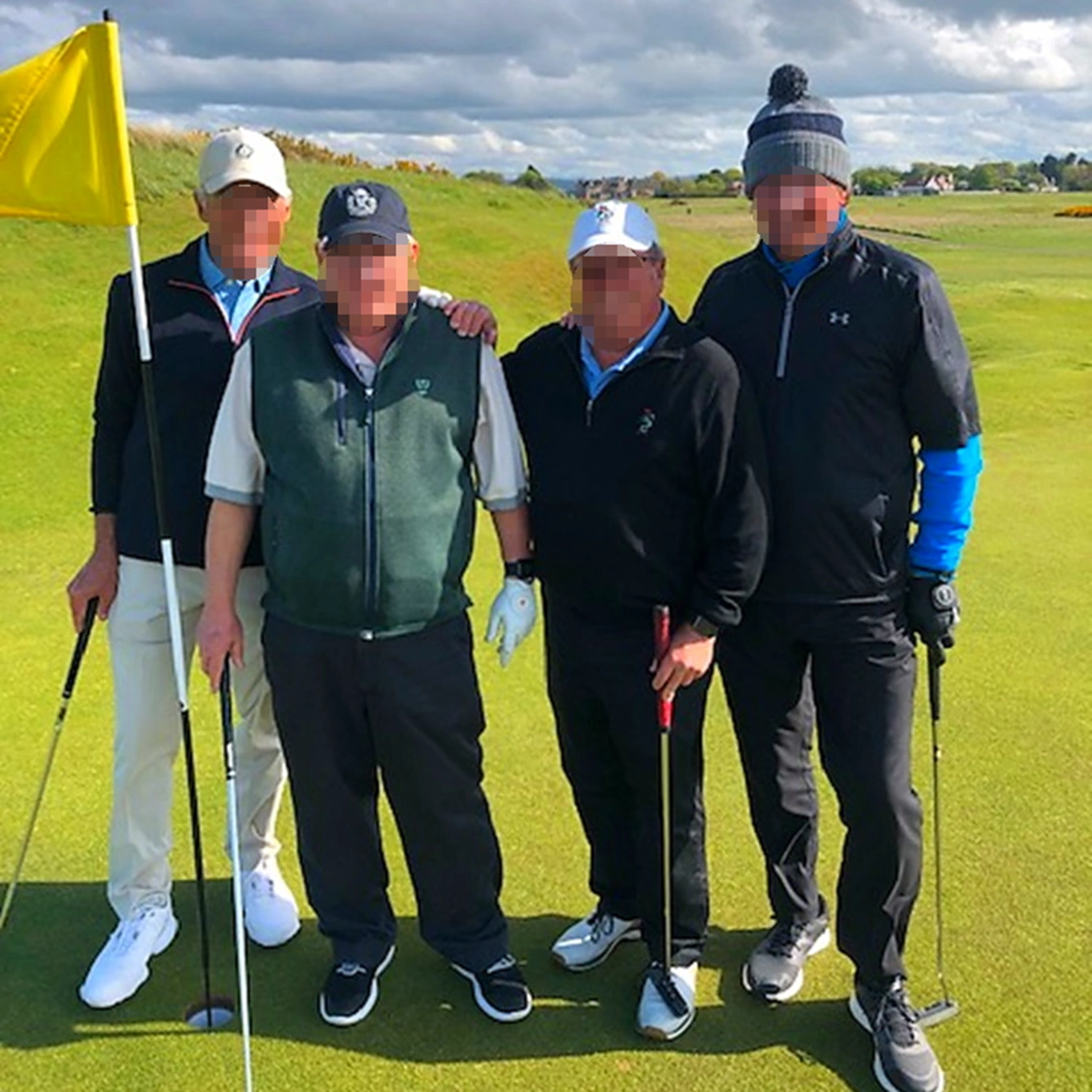
From MM, California
“One fantastic trip you organized, and more importantly took ownership of in terms of daily communication and stewardship during our 2+ weeks in Scotland and Ireland. The logistics were spotless…100% of the transports were on time and excellent, the lodging choices spectacular and the golf was off the charts in terms of quality and arrangements made”
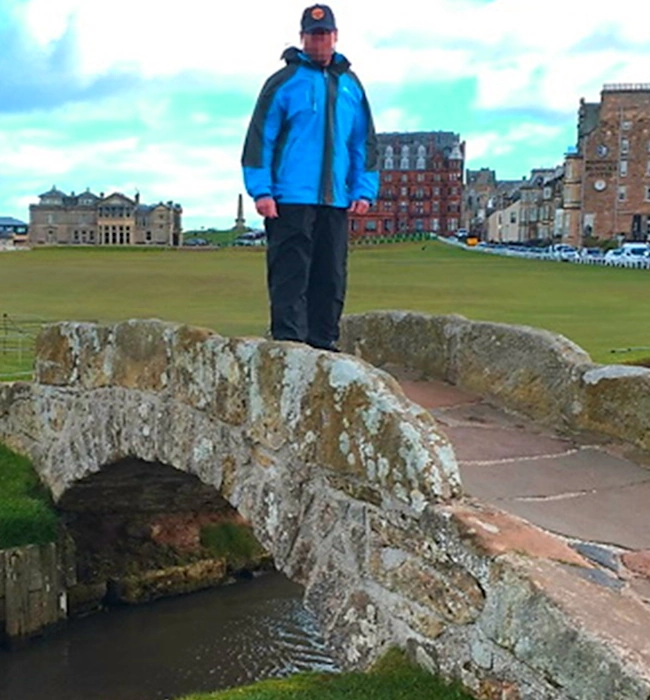
DH from California
“You cannot go wrong with the support Faraway Fairways offered. I did this trip solo and all last minute but I have already begun to plan the next trip which will include my best golfing buddies. ”
Enquiry
We don't need to make this an ordeal by 101 filtering questions! In reality there are probably little more than half a dozen things we need to know to build out a proposal. The guidance below might help you frame answers
Duration - usually best expressed as a range up to a maximum
Time of year - can be anything from a specific date range to a named season
Travel class - Faraway Fairways uses 'Luxury', 'Premier' or 'Affordable' for generic purposes. You might choose to reference the international 'star' rating system. We're only looking for something to help steer us into the right sector
Self drive or hired driver - In broad terms, self driving is normally less expensive, and much more flexible, but some folk just don't want to do it
Must play courses/ must do places - a few name checks is all that's needed